
Reducing food waste at home is one of the easiest ways to save money and protect the environment. Nearly one-third of the food produced worldwide is wasted, and much of this happens right in our kitchens. By adopting a few practical habits, you can make a significant difference. This guide offers useful tips to help you minimize food waste and make the most of your groceries.
Why Reducing Food Waste Matters
Food waste has a larger impact than you might think. When food is thrown away, all the resources used to produce it—water, energy, labor, and transportation—are wasted too. Additionally, food waste in landfills produces methane, a potent greenhouse gas that contributes to climate change. By cutting down on food waste, you’re not only saving money but also helping conserve natural resources and reduce pollution.
Plan Ahead: The Key to Less Waste
Make a Grocery List
Planning your meals for the week and making a detailed grocery list can greatly reduce impulse purchases and excess food. Before heading to the store, check your pantry and fridge to avoid buying duplicates.
Shop Smartly
Buy only what you need by sticking to your list. Consider purchasing loose fruits and vegetables, so you can select the exact amount you require. Avoid bulk buying perishable items unless you are sure you will use them before they spoil.
Store Food Properly to Extend Freshness
Use the Right Containers
Transfer leftovers and opened packages into airtight containers. This helps preserve freshness and prevents cross-contamination with other foods in the fridge.
Keep Fruits and Vegetables in Optimal Conditions
Different fruits and vegetables have specific storage needs. For example:
– Store apples and pears in the fridge to keep them crisp.
– Keep tomatoes at room temperature as the cold can affect their texture and flavor.
– Separate ethylene-producing fruits like bananas from leafy greens to reduce spoilage.
Label and Date Leftovers
Labeling leftovers with the date they were made helps you keep track of their freshness and prioritize eating them before they go bad.
Use Leftovers Creatively
Plan Meals Around Leftovers
Incorporate leftovers into your meal plan to ensure they get eaten. For example, leftover roasted vegetables can be added to salads or omelets.
Repurpose Food Scraps
Vegetable peels, stems, and bones can be used to make homemade stock, reducing waste and adding flavor to your meals.
Freeze Surplus Food
If you have more food than you can eat in a few days, freezing is a great way to preserve it. Portion meals before freezing for easy reheating.
Understand Expiration Dates
“Best By” vs. “Use By”
Many foods are safe to eat after the “best by” date, which usually indicates peak quality rather than safety. Use your senses—look, smell, and taste—to judge if food is still good. The “use by” date is more about safety, especially for perishable items.
Trust Your Judgment
Instead of automatically discarding food based on dates, inspect it carefully. Often, food can be safely consumed beyond these dates.
Compost What You Can’t Use
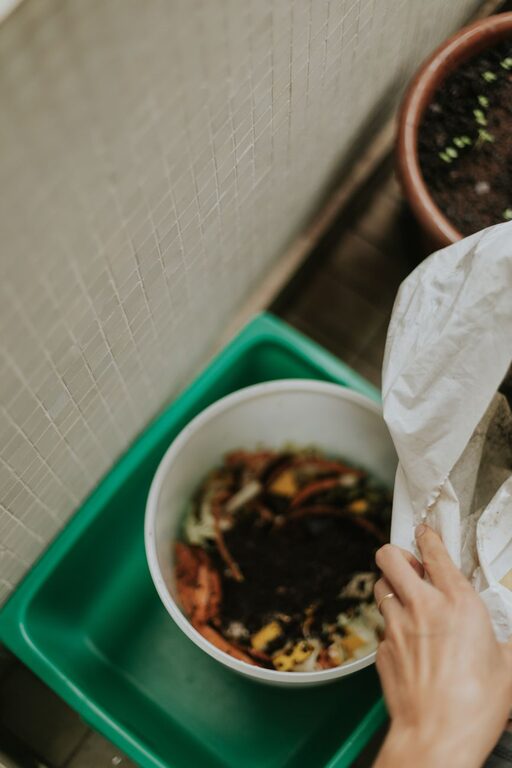
Even with the best efforts, some food scraps are unavoidable. Composting food waste such as vegetable peelings, coffee grounds, and eggshells helps divert waste from landfills and creates nutrient-rich soil for your garden.
If you don’t have a garden, check if your community has composting programs or drop-off locations.
Additional Tips to Avoid Food Waste
– Eat Smaller Portions: Serve smaller amounts and go back for seconds to avoid uneaten food on plates.
– Practice FIFO: First In, First Out means using older groceries before newer ones.
– Freeze Bread: Freeze extra bread to keep it fresh longer instead of letting it go stale.
– Use Apps and Tools: Try apps that help track food inventory and suggest recipes based on what you have.
Conclusion
By making mindful choices in planning, storing, and using food, you can significantly cut down on waste at home. These habits not only save money but also contribute to a healthier planet. Start small with a few changes and build from there—every effort counts! Reducing food waste is a simple and rewarding way to make your kitchen more sustainable and efficient.