
Reducing food waste at home is not only good for your wallet but also beneficial for the environment. Millions of pounds of food end up in landfills every year, contributing to pollution and wasting resources. Fortunately, with a few simple changes in how you shop, store, and use food, you can significantly cut down on waste. Here are practical, easy-to-follow ways to help reduce food waste in your household.
Plan Your Meals and Shopping
Make a Weekly Meal Plan
Before you shop, plan your meals for the week. By knowing exactly what you need, you can avoid buying excess food that might spoil before you use it. Write down all ingredients and check your pantry and fridge for what you already have.
Create a Shopping List and Stick to It
Impulse buys often lead to food waste. Create a shopping list based on your meal plan, and try to stick to it. Avoid buying items just because they’re on sale unless you know you will use them in time.
Buy Only What You Need
Purchase food in quantities that match your household’s consumption. For example, if you live alone, avoid buying large family-sized packages that might expire before you finish them.
Store Food Properly
Understand How to Store Different Foods
Proper storage helps extend the life of your groceries. Store fruits and vegetables in the right places—some belong in the fridge, others on the counter. For instance, tomatoes and bananas do better at room temperature, while berries last longer in the fridge.
Use Airtight Containers
Once you open packaging, transfer dry goods like cereals, grains, or snacks into airtight containers. This keeps them fresh longer and helps avoid spills or contamination.
Keep Your Fridge Organized
An organized fridge means you can easily see what you have, reducing the chance of forgetting about food. Use clear containers and labels if needed. Place older items at the front so they get used first.
Practice Smart Cooking and Leftover Management
Cook Appropriate Portions
Avoid cooking more food than you need. Serve smaller portions to reduce plate waste, and you can always go back for seconds if you’re still hungry.
Use Leftovers Creatively
Leftovers can be a base for new meals. For example, roast vegetables can be blended into soups or tossed into salads. Keep leftovers in clear containers and label them with the date.
Freeze Excess Food
If you’ve cooked too much or bought perishable items in bulk, freeze what you won’t use immediately. Many foods freeze well, including bread, cooked meals, and fruits.
Monitor Food Freshness and Expiry Dates
Understand Expiration Dates
Terms like “best before,” “use by,” and “sell by” can be confusing. “Best before” indicates quality, not safety, so many foods are still good after this date. Always check food appearance and smell before discarding.
Use a FIFO System
FIFO stands for “First In, First Out.” When you add new groceries, place older items in front or on top so they get used first.
Regularly Check Your Pantry and Fridge
Make it a habit to inspect your food weekly. Use or donate items that are close to expiring to minimize waste.
Compost Food Scraps
Start a Small Compost Bin
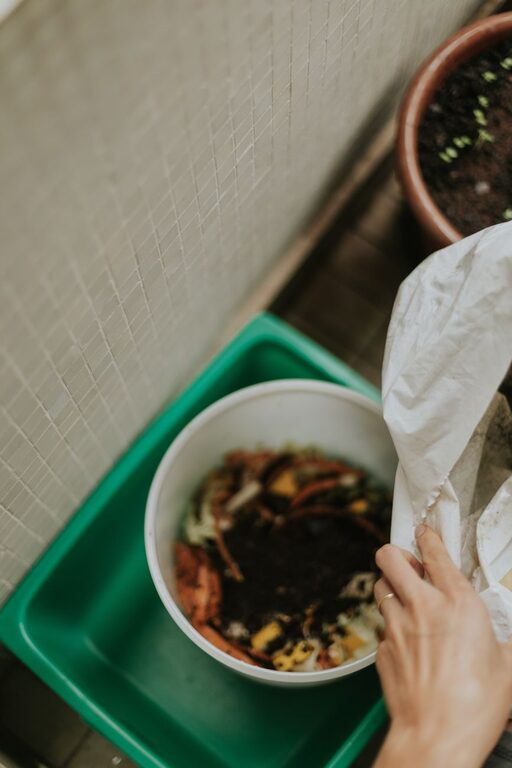
Even if you don’t have a garden, composting is a great way to reduce kitchen waste. Compost bins can be kept indoors or outdoors and turn food scraps like fruit peels, coffee grounds, and vegetable scraps into valuable soil.
Know What to Compost
Avoid composting meat, dairy, or oily foods, as they can attract pests or create odors. Instead, focus on plant-based scraps.
Educate and Involve Your Household
Teach Everyone About Food Waste
Sharing information about the impact of food waste and ways to prevent it helps create a supportive environment for change.
Get Everyone Involved in Meal Prep
When family members help with cooking and storing food, they are more likely to value leftovers and avoid waste.
Final Thoughts
Reducing food waste is a straightforward way to save money, reduce greenhouse gas emissions, and create a more sustainable home. Small daily habits like planning meals, storing food properly, and creatively using leftovers add up to make a big difference. Start with one or two strategies and build from there—your efforts will benefit both your household and the planet.