
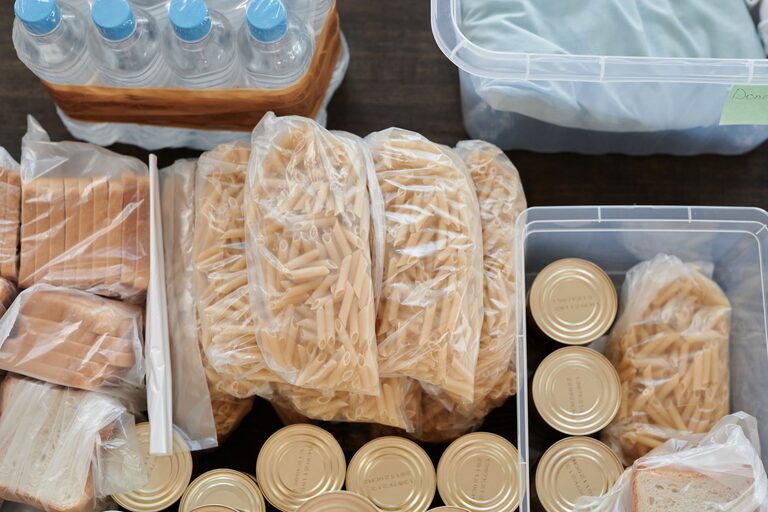
Planning meals around pantry staples is a smart way to save time and reduce stress in the kitchen. Whether you’re trying to cut down food waste, stick to a budget, or simply want to make meal prep easier, using what you already have on hand can help you create satisfying and nutritious meals without last-minute trips to the store.
In this post, we’ll explore practical tips to get the most out of your pantry staples, show you how to plan meals efficiently, and share ideas for simple recipes you can make anytime. Let’s get started!
Why Plan Meals Around Pantry Staples?
Pantry staples are the basic, non-perishable ingredients that most kitchens keep stocked. Examples include rice, pasta, canned beans, canned tomatoes, cooking oils, dried spices, and flour. These items don’t spoil quickly and provide the foundation for countless recipes.
Planning meals with pantry staples offers several benefits:
– Convenience: You can whip up meals quickly without needing fresh ingredients.
– Cost savings: Using what you have reduces food waste and cuts down on emergency grocery trips.
– Flexibility: Pantry staples can combine in many ways to create diverse dishes.
– Reduced stress: Having a plan helps avoid the question, “What’s for dinner?”
Assessing Your Pantry Staples
Before planning meals, start by taking stock of your pantry contents. This quick assessment will help you see what you have and what might be missing.
How to Organize Your Pantry
– Group similar items: Keep canned goods together, grains in one area, spices in another.
– Check expiration dates: Use older items first to minimize waste.
– Make a list: Write down what you have and note any staple items you need to restock.
An organized pantry makes meal planning easier because you can quickly see your options.
Building a Basic Pantry for Meal Planning
If your pantry is sparse or needs restocking, here’s a list of versatile staples to consider:
– Grains: rice, pasta, quinoa, oats
– Canned goods: beans, tomatoes, coconut milk, vegetables
– Baking essentials: flour, sugar, baking soda/powder
– Cooking oils: olive oil, vegetable oil
– Spices and herbs: salt, pepper, garlic powder, dried oregano, chili flakes
– Condiments: soy sauce, vinegar, mustard, honey
Having these basics ensures you have a foundation to create many dishes.
Strategies for Planning Meals From Pantry Staples
1. Choose a Base
Start with a pantry staple as your meal’s base. This could be grains like rice or pasta, or canned beans.
2. Add Flavor With Sauces and Spices
Pantry staples like canned tomatoes, curry powder, or soy sauce can add flavor. Use your spices to create different taste profiles—Italian, Mexican, Indian, or Asian-inspired.
3. Incorporate Fresh or Frozen Produce When Possible
If you have fresh or frozen vegetables, add them to your pantry-based meals to boost nutrition and variety. If not, canned or frozen vegetables also work well.
4. Plan for Protein
Canned beans, lentils, and canned tuna or salmon can provide protein. Eggs and dairy products from your fridge can also complement pantry staples.
5. Repurpose Leftovers
Plan meals that can be adapted into next-day lunches or dinners. For example, leftover rice can become fried rice or a grain bowl.
Sample Pantry-Based Meal Ideas
Here are a few tasty ideas that use common pantry staples:
One-Pot Tomato and Bean Pasta
– Cook pasta according to package instructions.
– In the same pot, add canned tomatoes, drained canned beans, garlic powder, and Italian spices.
– Stir and simmer until heated through.
– Add any fresh or frozen vegetables you have.
Chickpea Curry
– Sauté canned chickpeas with canned coconut milk, curry powder, and canned diced tomatoes.
– Serve over rice or with flatbread.
– Add frozen spinach or other vegetables for extra flavor.
Rice and Beans Bowl
– Combine cooked rice with canned black beans or kidney beans.
– Season with cumin, chili powder, salt, and pepper.
– Top with salsa, canned corn, or avocado if available.
Tips to Make Pantry Meal Planning Even Easier
– Plan weekly: Set aside time once a week to plan meals based on pantry items.
– Keep recipes handy: Maintain a list of your favorite pantry-based meals for quick reference.
– Batch cook: Prepare larger portions to have leftovers for busy days.
– Use grocery lists wisely: Stock up on versatile staples and fresh produce that complement your pantry.
Final Thoughts
Meal planning with pantry staples is a practical, budget-friendly way to keep your meals varied and delicious without frequent grocery trips. By organizing your pantry, knowing your staple ingredients, and applying simple meal planning strategies, you’ll feel confident cooking from what you have—and enjoy tasty, stress-free meals every day.
Start by taking stock of your pantry today and experiment with one of the easy recipes above. Your future self will thank you!